
What Is an Emergency Fund? The Complete Beginner's Guide to Financial Security (2026)
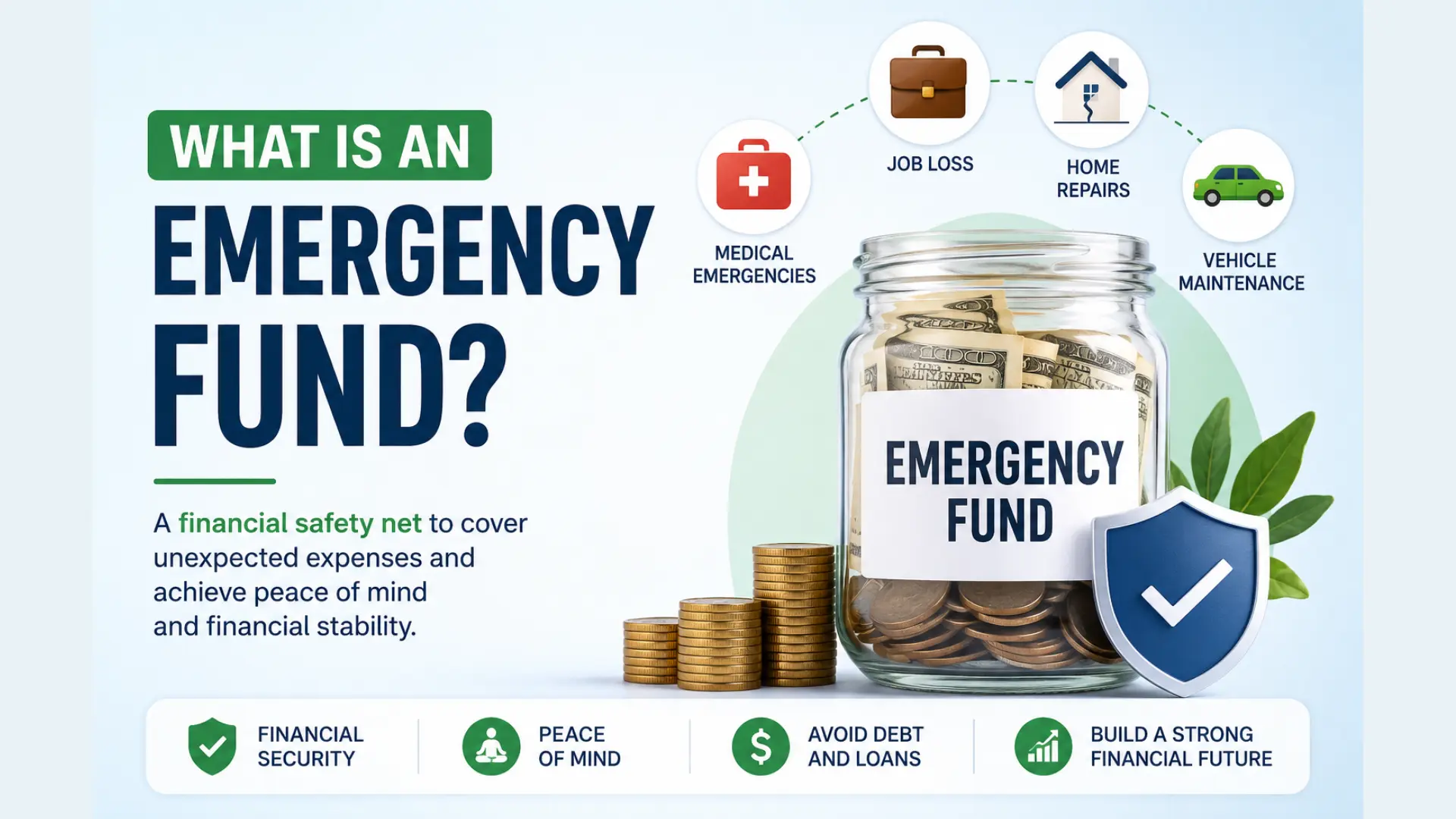
An Emergency Fund is one of the most important parts of personal financial planning. It helps you handle unexpected expenses such as medical emergencies, job loss, home repairs, or vehicle maintenance without relying on loans or credit cards.
In this guide, you'll learn what an emergency fund is, why it is important, how much you should save, and the exact steps to build one.
Table of Contents
- 1. What Is an Emergency Fund?
- 2. Why Is an Emergency Fund Important?
- 3. Benefits of Having an Emergency Fund
- 4. When Should You Use an Emergency Fund?
- 5. How Much Emergency Fund Should You Save?
- 6. Step-by-Step Guide to Building an Emergency Fund
- 7. Where Should You Keep Your Emergency Fund?
- 8. Emergency Fund vs Regular Savings
- 9. Common Mistakes to Avoid
- 10. Tips to Build Your Emergency Fund Faster
- 11. Frequently Asked Questions
- 12. Conclusion
What Is an Emergency Fund?
An Emergency Fund is money set aside specifically to cover unexpected financial emergencies. It serves as a financial safety net, helping you manage sudden expenses without borrowing money or disrupting your long-term investments.
Unlike regular savings, an emergency fund is reserved only for genuine emergencies.
- Medical emergencies
- Job loss
- Home repairs
- Vehicle repairs
- Unexpected travel
- Family emergencies
Why Is an Emergency Fund Important?
Life is unpredictable. Unexpected expenses can arise at any time, and having an emergency fund ensures that you can handle these situations without financial stress.
- Protects your finances
- Prevents unnecessary debt
- Offers peace of mind
- Maintains your lifestyle during income interruptions
- Protects long-term investments
Benefits of Having an Emergency Fund
1. Financial Security
Provides confidence during uncertain financial situations.
2. Reduces Financial Stress
You won't have to worry about arranging money during emergencies.
3. Avoids High-Interest Debt
Reduces dependence on credit cards and personal loans.
4. Protects Your Investments
You won't need to sell investments prematurely.
5. Maintains Monthly Expenses
Allows you to continue paying bills if your income stops temporarily.
When Should You Use an Emergency Fund?
Use your emergency fund only for genuine financial emergencies.
Appropriate Uses
- Medical emergencies
- Job loss
- Emergency home repairs
- Major vehicle repairs
- Family emergencies
- Natural disasters
Avoid Using It For
- Shopping
- Vacations
- Festivals
- Luxury purchases
- New gadgets
How Much Emergency Fund Should You Save?
| Situation | Recommended Savings |
|---|---|
| Single Person | 3–6 Months of Expenses |
| Married Couple | 6 Months of Expenses |
| Self-Employed | 9–12 Months of Expenses |
| Business Owner | 12 Months of Expenses |
Example
If your monthly expenses are ₹40,000, your emergency fund target should be approximately ₹2,40,000 (6 months of expenses).
Step-by-Step Guide to Building an Emergency Fund
Step 1: Calculate Monthly Expenses
- Rent
- EMI
- Groceries
- Electricity
- Insurance
- Fuel
- Internet
- Medicines
Step 2: Set Your Savings Goal
Multiply your monthly expenses by 3–12 months depending on your financial situation.
Step 3: Create a Monthly Savings Plan
Decide how much you can save every month and stick to it.
Step 4: Open a Separate Savings Account
Keep emergency savings separate from your daily spending account.
Step 5: Automate Your Savings
Set up automatic monthly transfers after receiving your salary.
Step 6: Reduce Unnecessary Expenses
- Online shopping
- Food delivery
- Unused subscriptions
- Impulse purchases
Step 7: Save Extra Income
- Bonuses
- Tax refunds
- Freelance income
- Cash rewards
Step 8: Review Your Fund Annually
Update your savings target whenever your expenses increase.
Where Should You Keep Your Emergency Fund?
- Savings Account
- Sweep-in Fixed Deposit
- Liquid Mutual Funds
- Money Market Funds
Avoid Keeping It In
- Stocks
- Cryptocurrency
- Long-term Fixed Deposits with penalties
- Real Estate
Emergency Fund vs Regular Savings
| Emergency Fund | Regular Savings |
|---|---|
| For emergencies only | For planned expenses |
| High liquidity | Flexible usage |
| Financial protection | Goal-based savings |
| Avoids debt | Supports future purchases |
Common Mistakes to Avoid
- Not setting a savings goal
- Using the fund for non-emergencies
- Investing emergency money in risky assets
- Keeping insufficient savings
- Ignoring inflation
- Not reviewing the fund annually
Tips to Build Your Emergency Fund Faster
- Create a monthly budget
- Save before spending
- Increase your income through side work
- Avoid lifestyle inflation
- Deposit bonuses directly into your emergency fund
- Stay consistent with monthly savings
Frequently Asked Questions (FAQs)
What is an emergency fund?
An emergency fund is money saved specifically for unexpected financial expenses.
How much should I save?
Most financial experts recommend saving between 3 and 12 months of essential living expenses.
Can I invest my emergency fund in stocks?
No. Emergency funds should remain easily accessible and protected from market volatility.
Where should I keep my emergency fund?
A high-interest savings account, sweep-in fixed deposit, or liquid mutual fund are suitable options.
Should I use my emergency fund for vacations?
No. It should only be used for genuine emergencies.
Conclusion
An emergency fund is the foundation of a strong financial plan. It provides financial security, reduces stress, and helps you avoid unnecessary debt during unexpected situations. Start saving today, even with a small amount, and build your financial safety net over time.
